


The Global Positioning System (GPS) is one of the most revolutionary innovations in modern vehicle management and traffic safety. As the global vehicle population continues to grow, the need for efficient fleet management and enhanced vehicle security becomes increasingly urgent. According to a report by MarketsandMarkets, the global in-vehicle GPS tracking market is expected to grow from $2.5 billion in 2022 to $3.8 billion by 2027, representing a CAGR of 8.5%. This demonstrates that GPS tracking technology has become an indispensable tool for both vehicle owners and fleet managers.
What is a GPS Tracking Device?
A GPS tracking device is a portable unit that utilizes satellite signals to determine the real-time location and historical travel data of a vehicle. Unlike traditional navigation systems that only provide routing instructions, GPS trackers can collect and upload vehicle location, route history, and driver behavior data to the cloud, enabling users to monitor their vehicles via smartphone, tablet, or computer.
Common installation methods include:
- OBD-II port (onboard diagnostics connector)
- Cigarette lighter or power socket
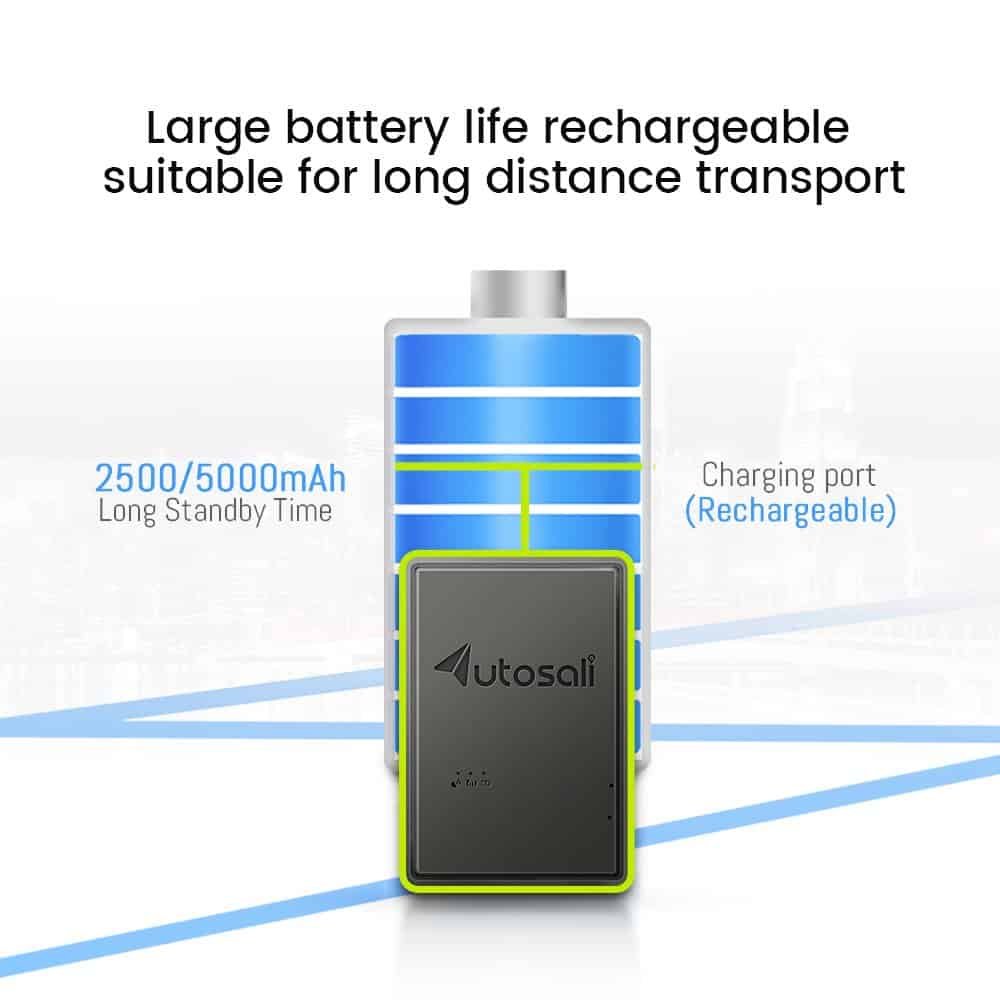
- Built-in battery for independent operation
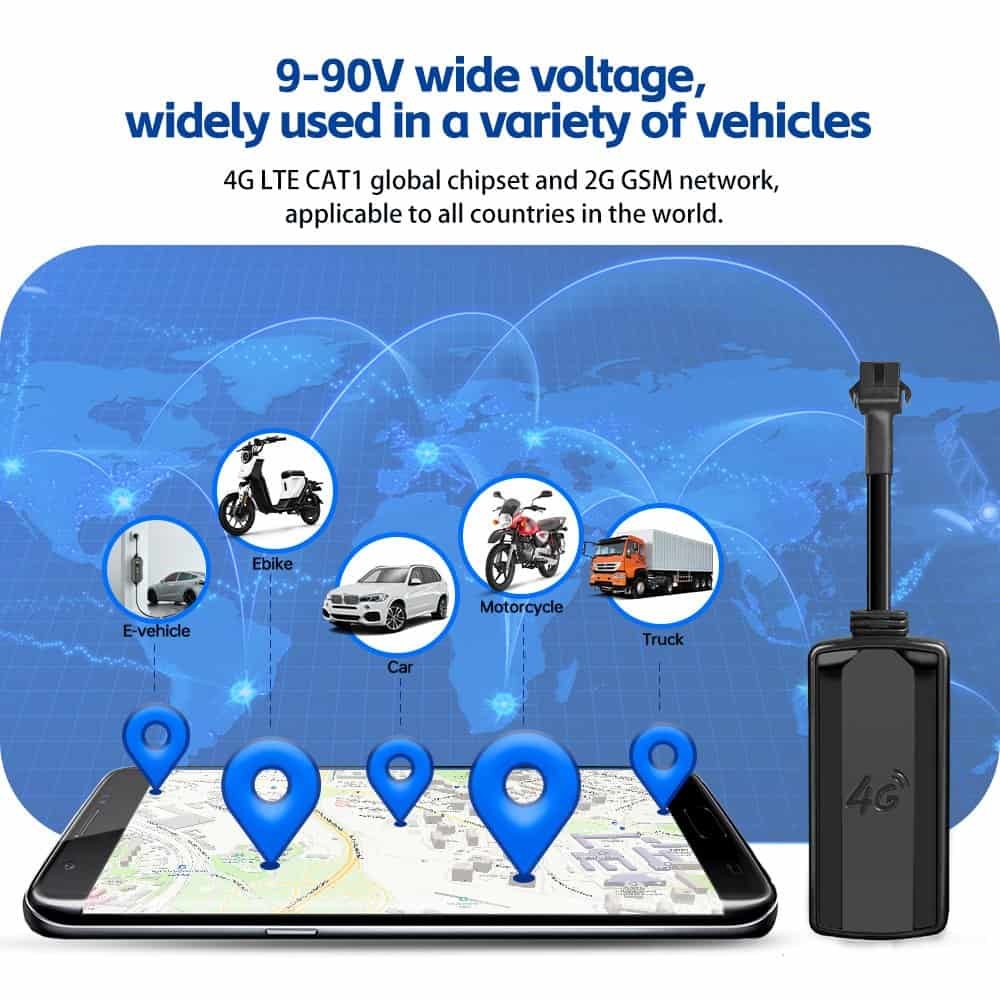
These installation options ensure flexibility and broad applicability, allowing trackers to be used on private cars, motorcycles, commercial trucks, and electric vehicles with ease.
How GPS Trackers Work
GPS trackers determine location by receiving signals from satellites within the Global Navigation Satellite System (GNSS) and calculating positions using trilateration.
- 3 or more satellites are required to determine two-dimensional coordinates (latitude and longitude).
- 4 or more satellites provide additional altitude and time information.
In the vehicle, the GPS device combines satellite data with sensor inputs—such as accelerometers, gyroscopes, and ignition detectors—and transmits the information to a backend server. Depending on the tracker design, data can be managed via:
- Active Tracking: Real-time data upload, suitable for fleet management.
- Passive Tracking: Local storage when network coverage is unavailable, with automatic upload once connectivity is restored.
This system ensures data integrity and traceability, even in signal blind spots like tunnels or mountainous areas.
Key Use Cases of Vehicle GPS Tracking
1. Vehicle & Fleet Management
Fleet managers can monitor vehicle status in real-time, analyze driving behavior, and optimize routes. According to ABI Research, companies that implement GPS fleet management systems can reduce fuel consumption by 20–30% and lower idle time by 10%.
Key functions include:
- Monitoring mileage and fuel usage
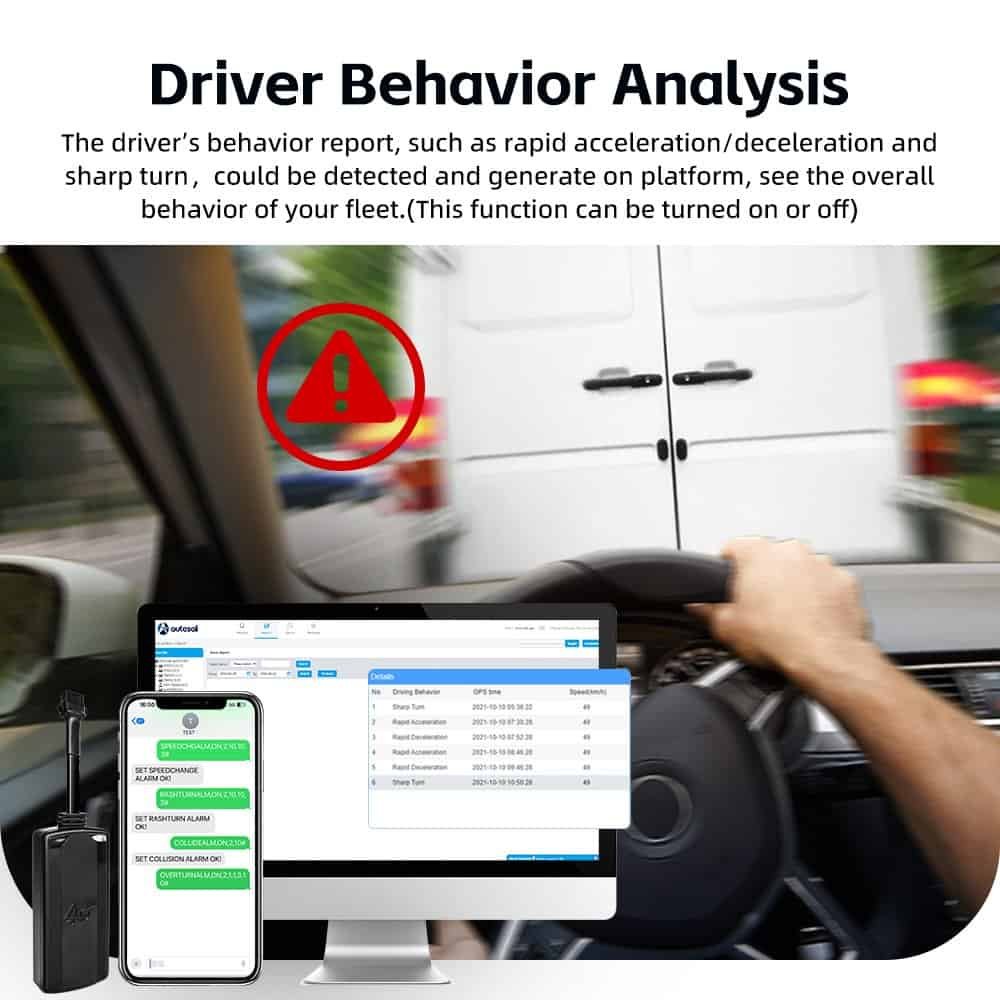
- Analyzing driver behavior (harsh acceleration, sudden braking, sharp turns)
- Route optimization and dispatch management
2. Theft Prevention & Security
Vehicle theft remains a major global concern. The National Insurance Crime Bureau (NICB) reported over 930,000 vehicle thefts in the U.S. in 2021 alone. A GPS tracker can alert owners immediately when unauthorized movement occurs (vibration, tampering, or geo-fence breach) and help law enforcement recover stolen vehicles quickly using real-time location data.
3. Driver & Passenger Safety
By connecting to the vehicle’s Electronic Control Module (ECM), GPS trackers can monitor risky driving behaviors such as speeding, harsh braking, or collisions. Fleet managers can use this data to train drivers and reduce accident rates.
Research by the European Transport Safety Council (ETSC) shows that telematics-based monitoring can reduce traffic accident risks by over 30%.
Some trackers also include SOS emergency buttons, enabling drivers or passengers to send their location instantly to a monitoring platform or designated contacts.
4. Regulatory Compliance & Business Insights
In many regions, vehicle monitoring is part of regulatory compliance. For example, the U.S. Federal Motor Carrier Safety Administration (FMCSA) mandates electronic logging devices (ELDs) for commercial vehicles to monitor driver hours and safety. GPS systems can directly generate trip reports and idle logs, providing businesses with compliance support.
Analyzing historical GPS data also allows businesses to gain operational insights, including:
- Vehicle utilization rates
- Regional service coverage
- Customer response times
These insights provide measurable business value for companies operating fleets.
Advanced Features of Modern GPS Trackers
Modern GPS devices are increasingly equipped with advanced capabilities:
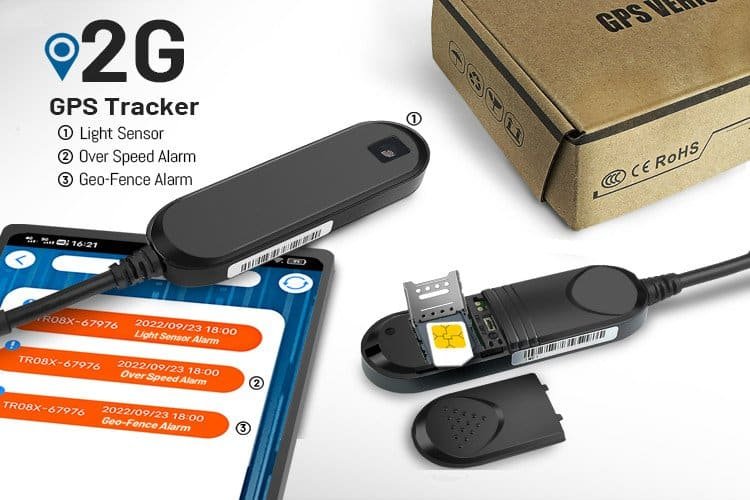
- Geo-fencing: Automatic alerts when vehicles leave designated areas
- Remote fuel/power cut-off: Prevents unauthorized use or enhances security in emergencies
- Over-the-Air (OTA) updates: Online firmware updates reduce maintenance costs
- Historical route playback: Store 3–6 months of travel history
- Cross-platform compatibility: Supports monitoring via iOS, Android, and web interfaces
Conclusion
From personal vehicle security to large-scale fleet operations, GPS tracking systems have become a critical technology in global transportation management and safety. Their advantages extend beyond theft prevention, regulatory compliance, and cost savings, offering real-time visibility and data-driven decision-making.
With the rise of 4G/5G networks and IoT integration, GPS tracking is becoming more intelligent and precise, increasingly combining with AI video monitoring and big data analytics to elevate vehicle management to the next level.